GLP-1s may be popular for weight loss, but evidence is mounting that they are effective at treating substance use disorder (SUD) and other addictions as well.
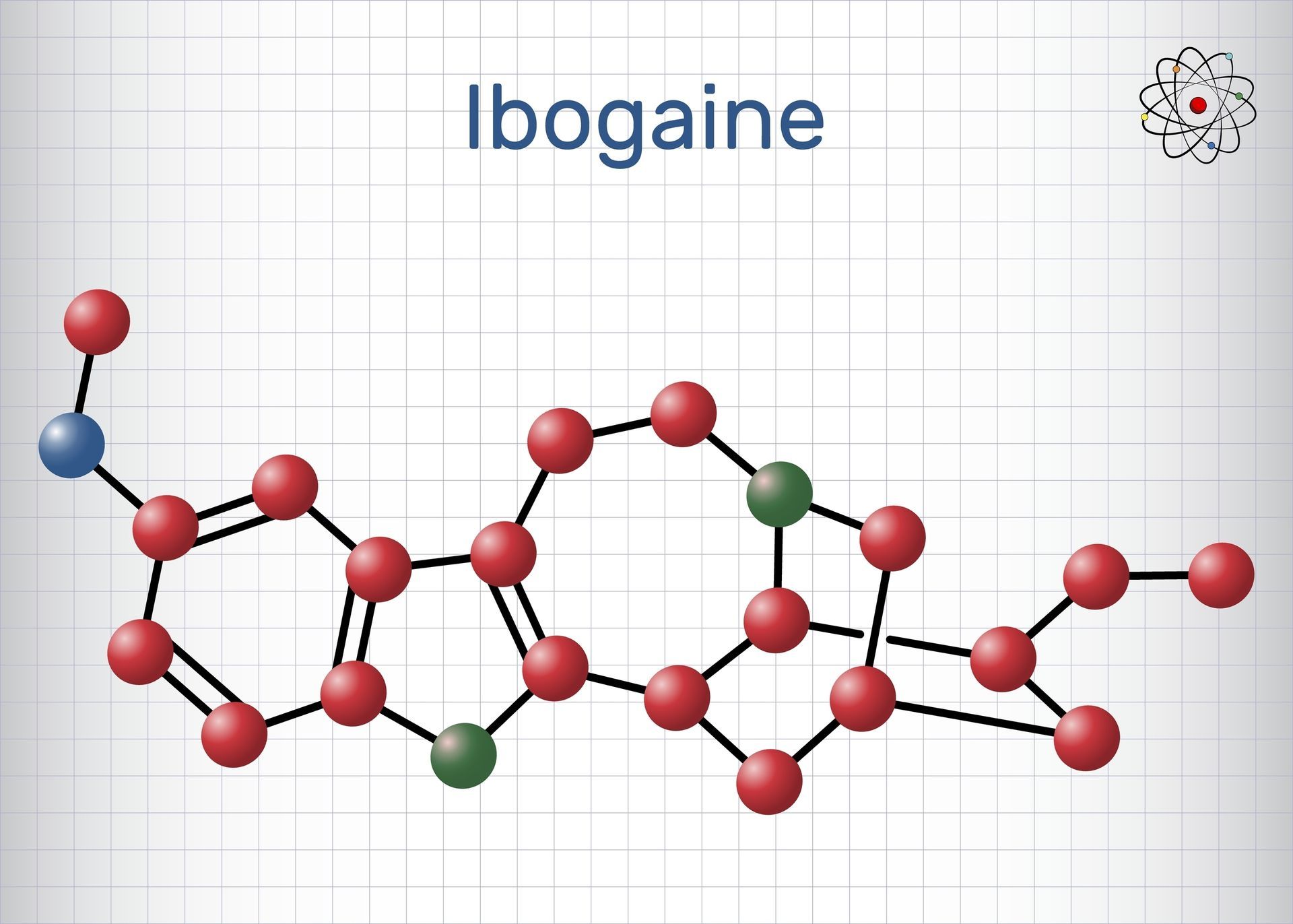
At first blush, psychedelics may seem to be the antithesis to substance use disorder (SUD) treatment, conjuring outdated images of 1960s counterculture. But their increasing acceptance, especially among many of the same institutions that historically denounced them, holds great promise for those with SUD, mental health issues, including post-traumatic stress disorder (PTSD), and traumatic brain injuries. Proponents, including those who have undergone ibogaine treatment for SUD, tout elimination of withdrawal symptoms, loss of cravings to use drugs and an introspection unlike they had been able to achieve prior to the treatment. With the recent significant attention in the media, medical and research communities, and even some legislative bodies, psychedelics are having their day. On April 18, 2026, President Trump issued an executive order, “Accelerating Medical Treatments for Serious Mental Illness,” that directs federal agencies to expedite access to psychedelic-assisted therapies for Americans suffering from serious mental illnesses, including SUD. Fifty-five years ago in 1971, another Republican president, Richard M. Nixon, declared his war on drugs, with an especially strong aversion toward the psychedelic LSD, citing it as the root cause of the anti-Vietnam War movement, youth rebellion, and social disorder. The juxtaposition of the two eras underscores just how significant today’s environment is. Part of the reason for the vastly different philosophy on psychedelics today versus conservative ideologies of the past, according to the New York Times , is the immense promise they hold for treating veterans suffering from PTSD. Although several psychedelics are being discussed as options for treatment of mental health and SUD, only ibogaine was specifically mentioned in the president’s executive order. Ibogaine is a naturally occurring psychoactive compound found in the roots of the African shrub iboga. Ibogaine has been designated as a Schedule I drug since 1970, preventing its use within the United States, but clinics in Canada and Mexico offer legal ibogaine treatments. Ibogaine Treatment Ibogaine induces vivid hallucinations, which some patients describe as psychologically insightful, according to the University of Virginia School of Medicine . It is generally administered orally, and repeat doses over several days are common. How it actually works on the brain is complex, likely through multiple pathways. Its administration is associated with potential risks, including cardiotoxicity. Most people describe two phases : the visionary phase (first four to eight hours), with vivid dream-like imagery, memories, and emotions, which some people describe like watching a movie of their life; and the reflective phase (next 12–24+ hours), where the visuals fade but deep insight, emotional release, evaluation, and a sense of clarity remain. Physically, people may feel dizzy, experience nausea and vomiting, and many stay awake for 24 hours or more. Afterwards, a “gray day” of fatigue is common before energy and mood lift again. With the cardiac risks associated with ibogaine treatment, advocates stress reputable, medical clinics for the treatment. Advocates also acknowledge the need for ongoing therapy and support well beyond the actual ibogaine treatment episode(s). Although many testimonials include overnight transformations, proponents talk about ibogaine as a transformative experience that simply opens the way to a greater ability to make and sustain change over longer periods of time. Research Researchers, in a review of 24 studies , concluded that the published data suggest that ibogaine is an effective therapeutic intervention within the context of SUDs, reducing withdrawal symptoms and cravings. Data also point toward a beneficial impact on depressive and trauma-related psychological symptoms. However, studies have reported severe medical complications and deaths, which seem to be associated with neuro- and cardiotoxic effects of ibogaine. Another study analyzed 88 patients who received ibogaine treatment in Mexico between 2012 and 2015. Most participants (72 percent) had used opioids for at least four years and 69 percent reported daily use. Most (80 percent) indicated that ibogaine eliminated or drastically reduced withdrawal symptoms; 50 percent reported that ibogaine reduced opioid cravings, while 25 percent reported a reduction in cravings lasting at least three months; 30 percent reported never using opioids again following ibogaine treatment, and more than one half (54 percent) of those individuals had been abstinent for at least one year, with 31 percent abstinent for at least two years. Although 70 percent of the total sample reported a relapse following treatment, 48 percent reported decreased use from pretreatment levels and an additional 11 percent eventually achieved abstinence. State-specific Legislation Perhaps one of the strongest indicators of its growing acceptance and credibility can be found in Texas. In June 2025, Governor Greg Abbott signed Senate Bill 2308 into law to grant $50 million in state matching funds for research of ibogaine. "Texas is home to more veterans than any other state," said Abbott. "Many of those veterans suffer from injuries both seen and unseen. A therapy that has shown great promise in treating those conditions is ibogaine. This law authorizes a Food and Drug Administration approved clinical drug trial that will seek approval of ibogaine as a medication for the treatment of opioid use disorder and other behavioral health conditions, especially those suffered by our veterans." Three other states – Arizona, Indiana, and Ohio – have passed ibogaine-related legislation, and nine other states have introduced bills. Advocates for ibogaine have included Pennsylvania as one of their target states for legislation. RCPA will continue to work with stakeholders as the country moves into this next frontier.
US Health and Human Services (HHS) Secretary Robert F. Kennedy Jr.’s beliefs and philosophy on addiction and recovery can elicit strong emotions and reactions. There are some who refer to him as a “crackpot,” pushing antiquated, ineffective, and potentially dangerous solutions instead of focusing on evidence-based treatments and programs that research has demonstrated to be effective. His promotion of “ healing farms , ” for example, has been much maligned among some advocacy movements. To other, less vocal camps, Kennedy is a sane voice in the wilderness, a sage put in a position of power to not only carry a message of real recovery but to implement policies that align with his own experience. He is not shy about his recovery from addiction through a 12-step program for which a higher power is a foundational element. President Trump’s recent executive orde r establishing the Great American Recovery Initiative is the most concrete example yet of Kennedy’s opportunity to imprint the treatment and recovery system. According to a Feb. 2 press rel ease from HHS , “The centerpiece of this plan is a $100 million investment to solve long-standing homelessness issues, fight opioid addiction, and improve public safety by expanding treatment that emphasizes recovery and self-sufficiency.” The $100 million will fund a pilot program called STREETS – Safety Through Recovery, Engagement and Evidence-Based Treatment and Supports. It intends to build “integrated care systems for people experiencing homelessness, substance abuse and mental health challenges and helping them find housing and employment.” Reaction has been lu kewarm at best and highly critical at worst , likely in part to the dearth of details about the pilot program, including basic information about how the program will actually operate as well as which eight cities will be included. Moreover, this very work to attempt to integrate beyond physical and behavioral health to include health-related social needs has been going on in communities for many years. In addition, the Trump administration’s ongoing negative rhetoric about and actions toward harm reduction and its whipsaw approach to SAMHSA grant funding have generated skepticism and criticism. Kennedy himself is a reason for much of the apprehension. His unabashed embrace of abstinence, spirituality, and God—hallmarks of 12-step programs that many advocates have continually criticized for their doctrine of powerlessness over addiction—feels threaded throughout STREETS. In fact, Kennedy intends to “welcome full participation from faith-based organizations in (SAMHSA’S) programs and activities.” And descriptions of his own recovery seem to differ from what had been a recently emerging mentality that claimed someone is in recovery when they say they’re in recovery, despite other personal actions that may conflict with longstanding recovery beliefs. Yet to this point, Kennedy has not implemente d any policies that have directly limited access to medications to treat addiction. As well, there is an argument to be made that his emphasis on connection, spirituality, and religion are, in fact, rooted in science . Is Kennedy’s approach and demeanor at times hard to accept? Is he (even purposely) out of touch with or dismissive of how the public discourse and science have evolved over the past 15 to 20 years? For many, yes. C onsider the example of how he refers to “addicts” and “alcoholics” in recently launching a bipartisan initiative called Action for Progress with his cousin Patrick Kennedy. Still, he has the opportunity t o walk the tightrope to leverage his experience and philosophies in a way that improves the treatment model in place today, creating a stronger continuum of care—including medication and other evidence-based practices—for those suffering from substance use disorder, enabling social connectedness, sense of community, belongingness, and meaning and purpose. Not only are these values Kennedy holds, they are key tenets of SAMHSA’s working definition of recovery . With his first sub stantive SUD initiative in his hands, time will soon tell whether he can—or is willing—to walk that line.

Editor’s note: I asked my good friend Chris McKenzie, Community Relations Coordinator at Pinnacle Treatment Centers, to collaborate with me on a blog about what we both see as a gap between what research tells us about medications to treat opioid use disorder and the prevailing attitudes toward it in the treatment and recovery communities. Last month, we shared our firsthand experiences as Part I of a two-part blog . Here in Part II, we discuss our suggestions for greater genuine acceptance of multiple pathways to recovery. So how do we move closer to true acceptance of multiple pathways to recovery, including the use of medications to treat opioid use disorder (MOUD)? Promoting multiple pathways to recovery by providing rote education and training on medication is not enough. Our experiences highlight the urgent need to provide living proof that reality does in fact reflect the research. We can argue that the stigma held against those who recover with medication is the same stigma that stops them from coming forward, but, for the most part, it’s hard for us to buy that. In a past professional experience, one of us (Jason) undertook an effort to identify clients being treated with methadone who were willing to tell their stories publicly and had no problem finding them. Not coincidentally, every one of them essentially said the same thing: abstinence-based residential treatment did not work for them, and methadone saved their lives. In 2019, the City of Philadelphia launched a media campaign urging people battling opioid addiction to seek medication-assisted treatment . The campaign featured several people whose recovery pathway included medication. Sadly, six years later, we’re still having the same conversation. Perhaps it’s time to revisit a similar campaign. Our experiences also highlight the urgent need to do more to align research with actual practice. Relative to the services they provide, programs — from recovery community organizations to treatment providers to recovery houses — must begin to explicitly recognize and genuinely honor all evidence-based and lived-experience pathways. Recognition will help people feel validated in whatever pathway fits them the best and positions community organizations as inclusive, increasing access and retention, two critical components to long-term recovery. Though many organizations will say they do this, the rhetoric often doesn’t match reality. Within the last two months, one of us (Jason) heard a nursing director of a large residential treatment facility repeatedly call the organization’s attempt to retain patients in treatment through liberal medication policies “gross.” That is the front line of medical services, and it’s impossible to believe that perspective does not permeate much of that facility and organization. Clearly, then, in many instances, culture needs to change, from the grass tops to the grassroots. Developing an ambassador program is one strategy to begin to change culture. Components of such a strategy include: identifying and training employee MOUD ambassadors to help educate peers and walk the walk, so to speak, of recognition and validation of multiple pathways we suggest; enabling the ambassadors to serve as linkage between peers on the front line of treatment and senior leadership to elevate concerns and questions and, conversely, bring back solutions; and supporting them in delivering the message that MOUD works. Advocacy is also essential. Advocating for recovery houses to meet licensing standards, for example, which include accepting all forms of MOUD, will expand housing options and reduce discrimination while ensuring that people have access to stable and supportive environments. Similarly, advocating for treatment providers to genuinely meet contractual obligations to accept anyone using any Food and Drug Administration-approved MOUD will remove artificial barriers to appropriate levels of care. Finally, and most importantly, is the involvement of people with lived experience in policy and practice design. Establishing advisory boards with a diverse set of voices will give the people who are affected by recovery-related policies real power to shape the services that they are using and reduce feelings of marginalization because programs reflect their needs. For organizations, this means increased trust and community buy-in that will help avoid costly mistakes in program design. Ultimately, bridging the gap between research and reality is about respect for other people’s experiences and goals. When organizations embrace this broader view of recovery, communities thrive, and people are given every opportunity to succeed. What are your thoughts on moving closer to true acceptance of multiple pathways to recovery, including the use of medications? If you have any ideas about this or thoughts on the subject or the blog in general, let us know. Email Jason or Chris with your thoughts, or start a conversation on LinkedIn .

Editor’s note: I asked my good friend Chris McKenzie, Community Relations Coordinator at Pinnacle Treatment Centers, to collaborate with me on a blog about what we both see as a gap between what research tells us about medications to treat opioid use disorder and the prevailing attitudes toward it in the treatment and recovery communities. We have shared our firsthand experiences here as Part I of a two-part blog. In Part II, we will discuss our suggestions for greater genuine acceptance of multiple pathways to recovery as well as address feedback we may get on Part I.

In the latest legislative run at involuntary substance use disorder (SUD) treatment, two Pennsylvania senators co-sponsoring SB 716 are looking to amend Pennsylvania’s Mental Health Procedures Act to include SUD and alcohol use disorder (AUD) by themselves as mental illnesses. Doing so would, under the law, subject those with the disorders to involuntary commitment in the same way mental health is today; that is, individuals with an SUD can then be forced into treatment against their will, mainly through a court-petitioning process, just as an individual in a mental health crisis can be involuntarily committed to psychiatric care today. As to whether SUD and AUD are in fact mental illnesses, Sens. Laughlin and Williams appear to be on solid ground. The most recognized and credible medical association in the country, the American Medical Association, includes SUD as a mental illness, and the American Psychiatric Association’s (APA’s) Diagnostic and Statistical Manual of Mental Disorders (DSM-5) classifies it as such. In fact, 34 states allow involuntary commitment for SUD , whereas all 50 allow involuntary commitment for a mental health issue. But beyond that, the senators’ rationale is debatable. Although we absolutely are still dealing with a continually evolving SUD epidemic, as of today, I would not call the epidemic unprecedented. In 2017, Pennsylvania was in unprecedented times with the highest number of annual overdose deaths ever seen at 5,456. Earlier in May of this year, the Centers for Disease Control released preliminary data that showed overdose deaths down 31 percent to 3,358 in Pennsylvania in 2024 over 2023. Had it not been for the Covid years, we may well have seen a continual annual decline from 2020 through today. Even as fentanyl has replaced heroin and adulterants like xylazine and medetomidine have exacerbated the crisis, naloxone and warm hand-off protocols – both instituted broadly around 2016 – along with improved access to evidence-based treatment including buprenorphine; increased integration of peers; and other harm-reduction strategies, including fentanyl test strips, have all over time contributed to decreasing deaths. Most experts on the ground would say we need to do more of this, as it has proven over time to save lives. Many of those same experts also oppose any effort to force people into SUD treatment. Research evaluating its effectiveness is mixed. In one review of studies assessing the outcomes of involuntary treatment, evidence did not overall suggest improved outcomes , with some of those reviewed studies suggesting potential harms. However, other studies do suggest some benefit to involuntary treatment. For example, one study found significantly reduced emergency department visits and unplanned hospital admissions for people who received involuntary treatment. Another study found that, when interviewed six months later, the majority of involuntarily admitted patients acknowledged that they needed treatment and felt positively about having been mandated to attend. Even so, practical considerations within Pennsylvania’s addiction treatment system remain a big hurdle, and most treatment providers agree that involuntary commitment to SUD treatment is not only ineffective; in actuality, it is a burden on the system, staff, and other patients. And at this point, there are more questions than answers. To my knowledge, the senators have not consulted the broad provider community about the bill, the immense challenges it brings, or their ideas for alternatives. In Pennsylvania’s last legislative session, Sen. Laughlin introduced SB 962 , which would have established a new involuntary commitment process for those with SUD, especially those who overdose. In opposing that bill on behalf of our SUD treatment providers, we wrote a brief position paper in 2023, highlighting our concerns: the enormous burden placed on providers to manage an unfunded, complex involuntary treatment process; the perpetuation of stigma toward the disease of addiction by introducing the complexity and trauma of the judicial system to the treatment of a disease – not the commission of a crime; and little evidence that this approach reduces overdoses and death, not to mention the lack of locked SUD treatment facilities in the commonwealth and the potential disruption to the milieu of patients who do want to be in treatment. As a provider representative, RCPA and its members still have those concerns today and continue to oppose the senators’ current efforts. Yet I understand the anguish of families who live the active addiction of a loved one, and the exasperation, helplessness, and hopelessness of watching a downward spiral often end in death. My family, hoping that we were going to somehow wake up from the nightmare we were living, watched it with both of my brothers, who eventually died of drug overdoses. So with involuntary commitment a non-starter for providers because of the complexity, ambiguity, and debatable outcomes, what more can we do for those in most danger of death who seem least likely to proactively seek treatment? First, we must sustain and improve upon what is already demonstrating effectiveness at reducing deaths; namely, widespread distribution and availability of naloxone, improved access to evidence-based treatment (including buprenorphine and methadone), increased use of peers at multiple intercepts, and other harm-reduction strategies. In opposing SB 962 during the last legislative session, RCPA proposed that finding the will to develop programs and policies that are proven to reduce overdose deaths and better engage those with SUD with the treatment system was preferable to a well-intended but misguided involuntary commitment law. Such policies and programs would include: enabling safe access to evidence-based medications to treat opioid use disorder including, for example, immediate buprenorphine induction by emergency medical personnel at the site or instance of overdose or access to low-barrier bridge clinics; providing meaningful, sustainable funding to specially train and embed certified recovery specialists at every potential touchpoint with overdose survivors; and reforming regulations and eliminating administrative burdens that act as barriers to treatment access. As an example of what others are proposing as alternatives to forced treatment, APA, in its journal Psychiatric Services, recently suggested focusing on the highest-risk subpopulations for brief (72 hours or less) involuntary holds , as opposed to commitments, in hospitals to allow health care providers to engage them and begin to provide ongoing care management and peer support, as opposed to simply watching the individual walk away. Could something like this work? Most in the treatment system and arguably all harm reductionists oppose involuntary commitment for SUD. With overdose deaths continuing to trend significantly downward, now seems like an even less opportune time for reintroduction of such a bill than in the past. But clearly, some in the legislature want to do more. What alternatives to involuntary commitment would you suggest?

For as long as I’ve been active in the recovery community and addiction treatment system, the prevailing mentality around people who couldn’t “get it” – with “it” mostly meaning compliance with a program and an outcome of sustained abstinence – was that they just weren’t ready, or they just didn’t have enough willingness to do the things that are necessary to stop using drugs and begin to recover. That attitude is much more pronounced in certain recovery communities, much more nuanced in the treatment environment, but it’s an accepted way of thinking in both. It’s a kind of thinking that blames the individual for failing, as opposed to the system failing the individual. But what if a large subset of individuals with substance use disorder (SUD) really can’t get it, with “it” not only being abstinence or reduced use, but, more consequentially, the cognitive demands of treatment – alertness, attention, cognitive processing, memory, and executive functioning? What if these individuals are neurologically incapable – even if only temporarily – of engaging in treatment for their SUD the way the treatment system expects them to, because they have either an acquired or traumatic brain injury from or driving their SUD? Such a recognition by the broad treatment system, the subsequent implications for improved individualized treatment and, most importantly, actual modifications to SUD treatment could be huge. Earlier this month, I had the opportunity to participate in what for me was an eye-opening summit convened by the Pennsylvania Department of Health and the Brain Injury Association of Pennsylvania. It focused in part on recognizing the significance and prevalence of brain injury among those with SUD, especially opioid use disorder (OUD), and identifying ways to better treat this population. Much of what was shared and stimulated my thinking on this came courtesy of the Addiction Technology Transfer Center’s “Traumatic Brain Injury and Substance Use Disorders: Making the Connections” toolkit. Most of the discussion focused on acquired brain injury (ABI). Internal factors, including lack of oxygen to the brain due to an opioid overdose, result in ABI. Traumatic brain injury (TBI), on the other hand, results from an external force, such as a blow to the head, including those that result from physical abuse. Both ABI and TBI have significant implications for those in SUD treatment. Often subtle yet significant changes in memory, attention, and social behavior, for example, make it difficult to participate in treatment, and many leave without completing. With historic numbers of overdoses over the past 10 years, the connection between SUD and brain injury, especially ABI, has not gotten the commensurate discussion it needs. Since 2015, Pennsylvania advocates have rightly made the widespread distribution of naloxone a top priority. In fact, that is the year I began working for the Pennsylvania Department of Drug and Alcohol Programs, and getting naloxone into the hands of first responders, especially police, was our top priority. The mantra then, as it is now, was we can’t treat someone who is dead. From there, the natural progression from administration of naloxone was to warmly handing off that person to treatment or recovery support. One of the biggest challenges, and therefore areas of focus, with the warm hand-off process has been finding more effective ways to intervene at that critical moment to prevent the individual from simply walking away from a near-death experience and continuing on as if it hadn’t happened. What has received little attention over those 10 years is the fact that for many, regardless of whether they agreed to treatment or walked away, life would never continue as if the overdose hadn’t happened, because many who overdose experience permanent brain damage. It takes only four to six minutes of a lack of oxygen to the brain to cause permanent brain damage, which can forever affect a person’s ability to understand, retain and recall information, express themselves, think critically, or solve problems. Those who sustain a brain injury are at risk for future overdoses. In North America, approximately 23 percent of all intravenous drug users will experience a non-fatal opioid overdose per year . Further, there are estimated to be as many as 40 non-fatal overdose events for every fatal overdose among people who inject drugs. Sadly, I can’t tell you how many people I’ve met who have been reversed multiple times. In fact, research shows that people who have had at least one opioid overdose are more likely to have another , which can compound any impairment or injury. But it’s not only those who have overdosed who may have a cognitive impairment. Amount and duration of substance use can also result in neurologic and cognitive effects, meaning many people – perhaps the majority – who enter the treatment system have some level of difficulty with cognitive and behavioral function. Research suggests 80 percent of those seeking services for co-occurring mental health and SUD are living with the effects of brain injury . Yet we as a treatment system often expect these same patients to sit quiet and still in hours-long group therapy sessions, pay attention, and not be disruptive. We expect them to be on time for group. We expect them not to miss their individual sessions. We expect them to follow through and comprehend. Those who don’t are often labeled as not ready for treatment. They haven’t reached their bottom yet. Of course, there must be some measure of accountability on the patient’s part. But to set expectations for those with a brain injury in the same way we would for someone who does not have one is setting them up for failure. To be fair, without assessing a person for a brain injury, clinicians may not even realize there is an issue. Without understanding the serious implications of brain injury on a person’s ability to engage in therapy, there may be no perceived need to change the way treatment is being provided. Instead, the lack of knowledge and understanding leads to incorrect assumptions about the patient as the reason the treatment isn’t working, not the reverse. By beginning to effectively and comprehensively screen for brain injury; training clinicians, peers, regulators, and payers on the prevalence and implications of brain injury; and modifying the way treatment and recovery supports are provided for these individuals, the SUD treatment system can significantly improve treatment outcomes. It will take collaboration with regulators, especially to remove regulatory barriers, as well as collaboration with payers to consider potential alternative payment models, to accommodate the therapeutic needs of those with a brain injury. Quality individualized treatment should be more than rote alignment with ASAM criteria. It should effectively recognize neurologic limitations – both those acquired as a result of overdose and those caused by trauma – and appropriately modify treatment for those with such limitations. Otherwise, the behavioral health system will continue to misread and mislabel what arguably is a majority of its patients.

There are many stakeholders in the broad substance use disorder (SUD) landscape who are nervous about how US Department of Health and Human Services Secretary Robert F. Kennedy Jr. will steer policy. But from a treatment perspective, given his beliefs and experiences, he could drive significant improvement in the way those Americans who suffer most severely from SUD are treated. In January, after President Trump took office and nominated Kennedy to be secretary, many SUD treatment providers and advocates, along with several media outlets, immediately raised concerns . Pointing predominantly to the 45-minute documentary Kennedy made as part of his early campaign for the presidency, some advocates feared that if he was confirmed as secretary of HHS, he would use his personal experience and preferences to unduly influence the country’s SUD treatment policy away from evidence-based treatment, including the use of medications like methadone and buprenorphine. In “ Recovering America – A Film About Healing Our Addiction Crisis ,” Kennedy, who is in long-term recovery from heroin addiction, featured “healing farms” – a form of therapeutic communities – as successful models for treating SUD. Therapeutic community is a treatment approach built on the premise that for recovery to occur, a change in lifestyle and social and personal identity is vital. He said that if he was elected president, he would open hundreds of healing farms across the country. Of course, he did not become president, but he was confirmed as secretary of HHS in February. Kennedy’s support of healing farms is not the only concern of some advocates. The pathway to his own recovery – a 12-step program – and his staunch support and continued participation in that program, which many criticize for its abstinence-only philosophy, including its rejection of medications to treat SUD, is also a red flag. An Opportunity to Improve What Already Exists But Kennedy actually has an opportunity to leverage his experience and philosophies in a way that improves the predominant residential treatment model in place today for those with the most severe and advanced disease. This does not mean a wholesale shift toward healing farms or even therapeutic communities (though in a world of individualized care and personal choice, there can be a place for these types of treatment models). It should, however, include policy that forces increased funding of residential treatment settings, in order to provide adequate lengths of stay and meaningful integrated mental and physical health and recovery support services throughout the continuum – including, when necessary, skilled nursing facilities that accept patients whose treatment includes narcotic medication, and appropriate, safe, and accessible recovery housing. A stronger continuum of care for those suffering the most severe SUD can enable social connectedness, sense of community, belongingness, and meaning and purpose. Not only are these foundational goals of therapeutic communities and values Kennedy holds in high regard; they are also key tenets of the Substance Abuse and Mental Health Services Administration’s (SAMHSA) working definition of recovery . As HHS secretary, Kennedy oversees SAMHSA. In Kennedy’s documentary, he walked the streets of San Francisco and showed footage of Philadelphia’s Kensington neighborhood. Living in the age of fentanyl and xylazine, the individuals from these streets who make it to treatment are typically homeless, have extreme physical comorbidities, and have suffered unimaginable trauma and mental illness. In other words, they are the most ill. Yet, in Pennsylvania, we often see an aggressive push by payers to quickly move them from the highest levels of care, where patients whose acute biomedical, emotional, behavioral, and cognitive problems are so severe that they require primary medical and nursing care, to lower levels of care well before their clinicians believe they are ready. Many policymakers, pundits, and payers will point to the high cost and lack of evidence to support such lengths of stay in residential settings. But any argument that the research does not support long-term residential treatment should be carefully scrutinized, in particular because little research exists that examines outcomes for those with the most severe SUD . If Pennsylvania policymakers and payers have such data, they should bring it forward. Ensuring and Improving Access to Medication What is indisputable is the fact that medications to treat opioid use disorder not only reduce overdose deaths, but they also increase engagement and retention in treatment, increase abstinence from opioid use, and improve other quality-of-life metrics. But Kennedy’s position on several other issues has advocates concerned about his position on medications like buprenorphine and methadone. From within the mental health and SUD advocacy world, one of the strongest endorsements Kennedy received ahead of his confirmation was from his cousin Patrick Kennedy, a former US Congressman from Rhode Island and staunch SUD and mental health advocate who has been in recovery 14 years. Patrick Kennedy’s treatment and recovery path included the use of buprenorphine and naltrexone, as well as medications to address mental health. In a 2016 story in the Seattle Times , Patrick Kennedy said, “We’re hogtied because many of those influencing addiction policy in this country come from the 12-step culture, which says abstinence is the only true form of recovery. We’re losing a lot of people on the altar of that type of rigid ideology.” Even closer to home, Robert Kennedy experienced the death of his younger brother David, whom he described as his best friend. David Kennedy was 28 years old when he died in 1984. My younger brother Todd was 28 years old when he died in 2005 from a heroin overdose. Less than two years later in September 2007, my 25-year-old brother Josh, the youngest of my parents’ three children, died of a drug overdose. I have often said that my parents, both of whom I am grateful to still have today, would much rather have their two dead sons alive and using buprenorphine or methadone, with a chance to define their own lives and recovery, than lying side by side in a graveyard in Cambria County, PA. I can’t imagine that Robert Kennedy feels any different about David – that if there was something that could have been done to give him another day and a shot at recovery, he would have staunchly supported it. In preserving and enhancing access to medications, Kennedy has the opportunity to give to parents, siblings, and other family members and loved ones what he and I no longer have. Walking the Tightrope In my work, a key component of advocacy on behalf of SUD treatment and those who need it is an ability to put aside my own recovery path, and acknowledge and support other pathways that I might not choose but can nonetheless be effective. In fact, this is in large part what a professional peer does. And for Kennedy, as evidenced by his documentary, the peer is an indispensable, integral part of the recovery process; not just in the healing farm setting, but in justice-system diversion programs as well, for example. Related to my recovery from SUD, if you want the type of life I am striving to live and want to know what I do, I am willing to show you. My professional role, however, does not include forced imposition of my personal philosophies on you. To find such a balance requires open-mindedness, which is also a bedrock principle of the Alcoholics Anonymous (AA) program Kennedy lives. The challenge with open-mindedness is applying it in all of life, not just within the parameters we choose to live. In doing so, we potentially attract others to that lifestyle. Kennedy obviously is not simply an advocate or a well-known “old-timer” in a local area of AA meetings. He is the top policymaker for HHS and SAMHSA. From the highest, most influential platform he has ever had relative to his recovery, he can strike the right balance. With a better funding approach, Kennedy can infuse aspects of a treatment modality and recovery support program that has worked for many, including himself, into the system we have in place today. In doing so, he can improve treatment broadly for those with the most severe SUD, and support and advance the integral, life-saving role medications play, all while serving as a role model for what recovery may look like for some. For the sake of all of those who are still suffering from this disease, including families, I hope he can do it.

As I watched Pennsylvania Governor Josh Shapiro give his budget address last Tuesday, it occurred to me that the light Pennsylvania government had brightly shined on the addiction epidemic for nearly the past 10 years has greatly dimmed. In a speech of nearly 11,000 words , not one of them was “addiction.” Not one mention of treatment. No mention at all of an overdose death epidemic. Over the course of a 90-minute budget address, Gov. Shapiro, a man who likes to “get stuff done,” did not even attempt to take credit for overdose death numbers that are trending downward. He didn’t acknowledge them at all. Granted, the Pennsylvania Department of Drug and Alcohol Programs (DDAP) continues to release pots of opioid settlement and federal money, including State Opioid Response (SOR) funding, into the behavioral health ecosystem, though not all of it is available to DDAP-licensed treatment providers. Counties also continue to spend opioid settlement dollars from multiple sources, including a national settlement with the three largest pharmaceutical distributors that netted more than $1 billion for Pennsylvania. In arguing that everyone else is legalizing adult-use recreational marijuana, so Pennsylvania should, too, the governor ignores the evidence of the harms of marijuana, including a link between legalized adult recreational marijuana and an increase in adolescent suicides , as well as the broader implications for addiction treatment such that not one dime of the $536,000,000 in estimated Fiscal Year 2025/26 revenue is proposed to be directly allocated to DDAP. Although it appears recreational legalization is inevitable at some point, failing to acknowledge its potential to harm some Pennsylvanians is disingenuous. Dig a little deeper into the budget, and it looks no brighter for addiction treatment providers. Behavioral HealthChoices — the name for Pennsylvania’s Medicaid managed care program for behavioral health — currently is in a financial crisis. Pennsylvania counties and behavioral health managed care organizations (BH-MCO) are reporting to be significantly underfunded due to a Department of Human Services’ (DHS) actuarial error made in calculating the effects of the unwind of the Medicaid rolls post-Covid . The underfunding is affecting the counties’ abilities to meet contractual obligations to provide behavioral health services. In other words, the $6.3 billion comprised of state and federal dollars in the current fiscal year (2024/25) budget (see p. 104 of 372 of DHS’s budget book ) for Behavioral HealthChoices capitation — capitation being a form of payment based on a complex formula that determines an amount of money needed per Medicaid recipient per month — is not enough money to pay for addiction and mental health treatment for everyone who wants and needs it. Although we see an 18 percent increase in the HealthChoices capitation line item that amounts to $660 million in state dollars in the governor’s proposed executive budget , significant questions are still unanswered and even bigger concerns remain. For example, we do not know how much of the 18 percent increase is earmarked for Behavioral HealthChoices, which is concerning because the Physical HealthChoices program also is underfunded, and the Physical HealthChoices program is a significantly higher expenditure. Estimates suggest that the Behavioral and Physical HealthChoices systems combined need an additional $2.5 billion (state and federal combined) in the current calendar year, which is partly funded by two separate fiscal year budgets, to meet their obligations to Pennsylvania’s most vulnerable. There is a $230,000,000 supplemental payment in the proposed budget, which would help to address the immediate need for additional funds in the current fiscal year, but we are hearing only a small percentage of this is for the HealthChoices issue. As a result of the underfunding and uncertainty, BH-MCOs and primary contractors have announced to addiction and mental health treatment providers that they will not receive any increases in reimbursement rates in 2025, despite escalating provider costs. At the same time, in certain regions of the Commonwealth, addiction and mental health treatment providers are beginning to report increasing challenges in getting appropriate treatment authorized (e.g., decreased lengths of stay, increased denials). Although anecdotal, RCPA will continue to have these discussions and look to substantiating data. The current HealthChoices crisis has been building since early 2024 and has caused much anxiety. So far, the proposed 2025/26 budget only exacerbates the worry. Add in the federal Medicaid and grant funding uncertainty coming out of Washington, DC following recent executive orders that potentially put funding streams like the Substance Use Prevention, Treatment, and Recovery Services Block Grant and SOR dollars at risk, and the calamity grows exponentially. Right now, we are looking at a real possibility of ongoing behavioral health service cuts that would be akin to rationing of care. At this point, I am left with a few fundamental questions. How is $6.3 billion not enough to provide behavioral health services — addiction and mental health treatment — to Pennsylvania’s Medicaid population? How could the state have been so wrong on its calculations? How sustainable is a behavioral health system that needs at least upwards of $7 billion per year? Does the legislature have an appetite for such a system? And, perhaps most importantly, what are the implications for the future of addiction treatment and the sustainability of the system as we currently know it? Beyond the funding crisis, the field continues to beg for relief from administrative burden and crushing oversight, pleas that have amounted to shouting into the void. With DHS’s budget hearings coming up in early March in front of the Senate and House Appropriations Committees, I would expect the legislature to also be asking these same questions. Stay tuned.

If they haven’t already, very few people seeking addiction treatment will ever experience it as Tom Coderre did. Coderre is principal deputy assistant secretary for the Substance Abuse and Mental Health Services Administration (SAMHSA). Last week, in kicking off its inaugural Substance Use Disorder Treatment Month, SAMHSA published a blog in which Coderre’s treatment story was retold. "I started treatment at the end of May 2003, after an arrest for possession of a controlled substance, when a compassionate judge strongly suggested it,” the former Rhode Island state senator said. “The treatment program offered flexible lengths of stay, determined on an individual basis … For me, that treatment episode lasted five and a half months and I then transitioned into a recovery house." You read that correctly. Five-and-a-half months. Not five-and-a-half-months in the continuum of residential to halfway house to partial hospitalization to intensive outpatient to outpatient, but five-and-a-half months in an intensive residential treatment center before transitioning to a recovery house. And keep in mind, Coderre’s treatment was funded by a federal block grant, not out of pocket or through commercial insurance. Coderre’s story truly is remarkable. He gave a great interview to William White in 2016 that details his story and demonstrates the power of treatment and recovery. But to hold up this treatment experience in a blog that kicks off national SUD Treatment Month is to suggest, in my read, that this is what addiction treatment could look like today. And, barring some very specific and unique cases, that is simply not true, and certainly not in Pennsylvania. Imagine a person with the disease of addiction desperately in need of treatment who is assessed as: being unable to control impulses; having marked difficulty with or opposition to treatment, with dangerous consequences; having no recognition of the skills needed to prevent continued use, with imminently dangerous consequences; and lacking skills to cope outside of a highly structured 24-hour setting. That is essentially the definition of someone needing ASAM Level 3.5, which is defined as clinically managed, high-intensity residential treatment. Anecdotal information tells us the average length of stay in Pennsylvania at Level 3.5, including withdrawal management (which we used to call detox), is about 28 days. Lower intensity treatment, such as that provided at Level 3.1 (i.e., halfway houses), can garner as much as a five-month stay, at about $100 less per day in Medicaid reimbursement than Level 3.5. Much has changed about the way we treat addiction since Coderre’s treatment experience nearly 22 years ago. And we would expect the field to change and evolve, just as we would hope cancer is not being treated today the same way it was 25 years ago. Many will argue that there is not enough evidence to support such a time- and cost-intensive treatment approach as longer-term, high-intensity residential treatment. Many will argue, too, that outcomes are just as effective with medication or intensive outpatient. Just as many will argue the other side of the coin, that 14- and 21- and 28-day lengths of stay are not enough time to stabilize and begin the hard work necessary to rehabilitate (and often times habilitate) someone whose “addiction is currently so out of control that they need a 24-hour supportive treatment environment … ” (ASAM Third Edition, 2003). What isn’t up for debate is the sea change taking place in addiction treatment today. It’s difficult to find a current definition or purpose of addiction treatment today, even from SAMHSA or the National Institute on Drug Abuse (NIDA). But Nora Volkow, director of NIDA, wrote in 2022 that, “The magnitude of this [drug overdose death] crisis demands out-of-the-box thinking and willingness to jettison old, unhelpful, and unsupported assumptions about what treatment and recovery need to look like. Among them is the traditional view that abstinence is the sole aim and only valid outcome of addiction treatment.” Only 10 years prior, NIDA wrote in its Principles of Drug Addiction Treatment that, "In addition to stopping drug abuse, the goal of treatment is to return people to productive functioning in the family, workplace, and community.” And SAMHSA’s Center for Substance Abuse Treatment, 20 years ago, was even clearer on the purpose of treatment: "Treatment for substance use disorders is designed to help people stop alcohol or drug use and remain sober and drug free. Recovery is a lifelong process." From stopping alcohol or drug use and remaining sober and drug free, to stopping drug abuse, to jettisoning old, unhelpful assumptions that the sole aim and only valid outcome of addiction treatment is abstinence – that is a sea change. Today, treatment for addiction is not about abstinence, at least to federal and state government regulators and payers. Consider SAMHSA’s definition of recovery : “a process of change through which individuals improve their health and wellness; live a self-directed life; and strive to reach their full potential.” Millions of people subscribe to that definition , which does not include abstinence. Additionally, to me, it also seems clear that what has historically been the cornerstone of the addiction treatment system – in Pennsylvania, all of the Department of Drug and Alcohol Program (DDAP)-licensed providers comprising all of the ASAM levels of care – is no longer viewed in the same way. Physical health providers that treat with medicine and do not have a DDAP license are becoming central to treating addiction. To wit, DDAP recently issued a funding opportunity for “Integrated Health Solutions between Behavioral Health Care and Primary Physical Health Care.” DDAP-licensed providers cannot apply for the funding. Other recent funding opportunities, for harm reduction and recovery support, for example, also are not open to licensed treatment providers. Harm reduction, recovery support, and crisis and drop-in centers are all being recognized as viable components of an evolving system. And certainly they are less costly than long-term treatment. The question is, “How effective are they compared to traditional forms of treatment?” Depends who you ask. Call it a no-wrong-door approach, meeting people where they’re at, removing siloes, integration or coordination, but addiction treatment “proper” is no longer the center of addiction treatment. I am not arguing that this expansion and evolution is wrong or misdirected. I would ask a few questions, though. How will “traditional” treatment providers react and evolve in response? And how adequately are regulators and payers supporting them in any transitions they expect to see? Do providers even feel they need to evolve away from their core mission? It would be interesting to get Coderre’s thoughts about this, as well as how he thinks he or someone with addiction as severe as his would fare in today’s treatment environment. Tom, if you’re reading, we would be grateful for an opportunity to talk.